A yellow stock garden wall for ME1
The front wall of a Victorian terrace is often the first thing a householder wants rebuilt, and its bricks have to match the house it stands in front of. Yellow stock is the usual choice on the hill streets and in the lanes below them, where a low wall holds back a bank or marks off a front garden. This guide takes one such wall from the footing to the mortar and prices the order for the ME1 district.
Rochester BM is the Rochester and Borstal delivery site of Discount Builders Merchants (KENT) LTD, the builders' merchant at Lower Road, Northfleet, DA11 9BB. There is one yard, and orders are placed on www.discountbm.co.uk.

Measuring the run and the height
Start with the run. Measure the wall along its face from one end to the other, then measure its height from the top of the footing to the underside of the coping. Multiplying the two gives the face in square metres. A wall with a gate pier in it is measured as two runs, each with its own opening taken off, so the count matches the drawing.
A wall one brick thick is 215 mm across, and each course adds one brick's height and a joint. Set the height out on a line before any brick is bought, since a course that runs short at the top is the commonest reason a low wall finishes with a strip of different brick along its cap.
Digging the footing
A garden wall is only as sound as its footing, and on a bank the footing decides where the wall can stand. Dig the trench to the depth the ground allows, and check that the bottom is firm and level along the whole run. The width and depth should come from the designer or the building control officer. A trench about 0.45 m wide and 0.2 m deep is common for a low wall of one brick, but it is a starting point and not a rule.
The footing is a 1:5 mix by volume: five measures of ballast for every measure of cement. For each cubic metre that is about 1.9 tonnes of 20 mm ballast and 13 bags of 25 kg cement. Pour it in one run, screed the top level with the trench sides, and leave it a day before the first course goes on.
Choosing a yellow stock that matches
Yellow stock varies more than red brick, so the match is made from a sample rather than from a name on a list. Take a brick from the house or from an old part of the wall, stand it beside the new stack, and look at both wet and dry. Buy the whole run in one batch, since bricks from different batches seldom sit together, and keep a few spare for the repairs the wall will need later.
A run that needs many halves at the ends, or a broken brick at each pier, is better made with a few extra bricks than with a patchwork of stock. The count below already allows for that, so there is no need to order a second lot for the cuts.
Mortar for one brick thick
Mortar for this wall is made with five measures of sand to each measure of cement, by volume. For each thousand bricks the count is about a tonne of sand, with seven bags of 25 kg cement to go with it. Mix every batch in the same bucket so the joints match from one end of the wall to the other, and keep them about 10 mm thick throughout.
Buy the sand as a bulk bag. A wall of this length takes most of a tonne, and a bag kept closed against the rain stays workable for the whole job. Once it is opened, cover what is left, because wet sand sticks to the shovel and gives a mix that varies from one bucket to the next.
Coping and the top of the wall
A garden wall in the open takes rain on its top, so the top course needs a coping, or bricks set on edge, laid with a fall to both faces. The coping is chosen separately, because its size depends on the width of the wall and the finish of the house. Where a bank sits behind the wall, weep holes at the base let the water out, and a clean stone trench behind the footing carries it away.
When the mortar has set, brush the joints back to a uniform depth and clean the face with a soft brush. New stock rarely needs acid, and acid can leave a patch that never matches the rest, so test any cleaner on a spare brick before it goes near the wall.
Rules of thumb
| Face area | Length of the run by height, both in metres, gives the face in square metres. |
|---|---|
| Bricks per square metre | 120 for a wall one brick thick, before cuts and waste. |
| Cuts and waste | Add a tenth to the count for the ends, piers and breakage. |
| Footing concrete | Length, width and depth in metres give cubic metres. Ballast and cement for the footing follow from that volume, at the 1:5 ratio. |
| Mortar | Per thousand bricks, about a tonne of sand. Seven bags of 25 kg cement go with each tonne, at five to one by volume. |
The shop has calculators that turn a measurement into a quantity.
Worked order: A 6 metre yellow front wall in Rochester, one brick thick
| Product | Quantity | What it is for | Cost |
|---|---|---|---|
| Cookbridge Yellow Multi Stock Bricks | 720 at £0.65 | A 6 m run, 0.9 m high, is 5.4 square metres of one-brick face. Bricks at 120 a square metre come to 648, and a tenth for the ends and breakage makes 713, rounded up to 720. | £468.00 |
| Bulk Bag Soft Building Sand Nepicar | 1 at £45.83 | The mortar for 720 bricks is about 0.72 tonnes of sand, which fits in a single 0.8 tonne bulk bag. | £45.83 |
| Bulk Bag Ballast 20mm | 2 at £40.00 | The footing is 6 m by 0.45 m by 0.2 m, which is 0.54 cubic metres. Ballast at 1.9 tonnes a cubic metre comes to 1.03 tonnes, which needs two of the 0.8 tonne bags. | £80.00 |
| 25kg Mastercrete Cement (plastic) | 14 at £7.99 | The mortar takes seven bags for each tonne of sand, so 5.04 bags, rounded up to 6. Footing concrete needs 7.02 bags, from 13 for each cubic metre, rounded up to 8. Together 14. | £111.86 |
| Goods | £705.69 | ||
| Delivery to ME1 | £0.00 | ||
| Delivered total ex VAT | £705.69 | ||
| Delivered total inc VAT | £846.83 | ||
Bulk bags: the bags in this order are counted at about 0.8 tonnes each. That is a planning figure. The shop does not publish a weight for a bulk bag, so confirm the number of bags with the yard before ordering.
Not in this order: The coping, the stone for a trench behind a bank, the weep hole fittings, any reinforcement the designer asks for, and the pier caps.
The quantities are a starting point for a job of this size. Put the same goods in a basket on www.discountbm.co.uk with your own postcode to see the figure for your order, or send the yard your list.
On the shop today
The products this guide talks about, from the shop's Bricks aisle. Prices last checked .
-
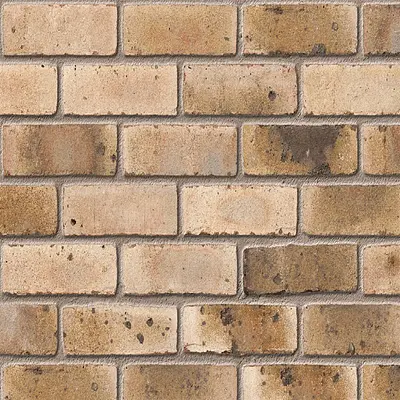 Cookbridge Yellow Multi Stock Bricks
each
£0.78 inc VAT
£0.65 ex VAT
In the yard
-
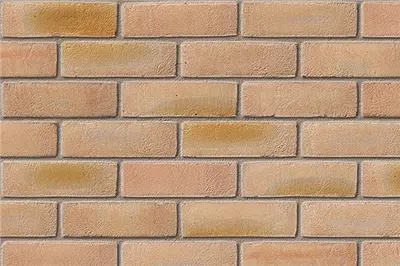 Leicester Yellow Bricks Non Best
each
£0.49 inc VAT
£0.41 ex VAT
In the yard
-
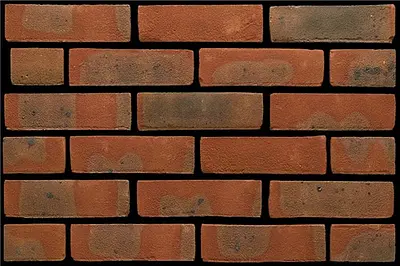 Thakeham Red Multi Stock Non Best
each
£0.72 inc VAT
£0.60 ex VAT
In the yard
-
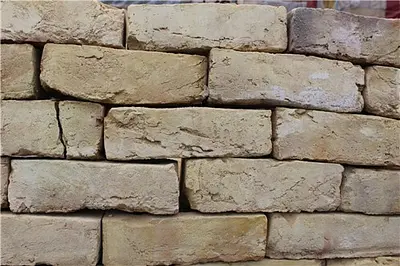 Second Hand Yellow Bricks
each
£1.44 inc VAT
£1.20 ex VAT
In the yard
-
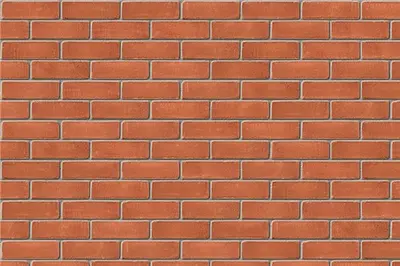 Leicester Red Stock - NON BEST
each
£0.78 inc VAT
£0.65 ex VAT
In the yard
-
 Mayfield Yellow Stocks Bricks
each
£1.30 inc VAT
£1.08 ex VAT
In the yard
-
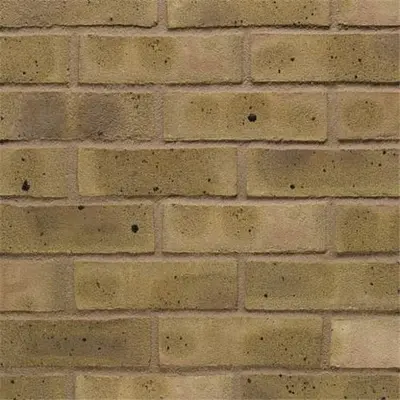 Hurstwood Yellow Multi
each
£1.20 inc VAT
£1.00 ex VAT
In the yard
-
 Regrade Bricks Yellow/Blue/Red
each
£0.50 inc VAT
£0.42 ex VAT
In the yard
Prices are the shop's prices today. Stock and ordering are on www.discountbm.co.uk.
Yellow, red and engineering bricks in ME1 See all Bricks on the shop
Delivery to Rochester and Borstal
- ME1
-
Free when the goods reach £41.66 ex VAT (£49.99 inc VAT).
A smaller order pays the difference up to that amount: goods of £25.00 ex VAT (£30.00 inc VAT) pay £16.66 ex VAT (£19.99 inc VAT) for delivery.
More guides for Rochester and Borstal
- A single-leaf block store on a strip footing Blockwork for a garden store in Wouldham or Burham, built as one leaf on a strip footing, with a door opening and a worked order for ME1.
- Type 1, edging and fabric for a patio base Sub-base, fabric, edging and haunch for a 4 by 3 metre patio in a Burham garden, with a worked ME1 order. The slabs are not in the order.
- A concrete hardstanding for a Borstal drive Sub-base, concrete and cement for a 5 by 3 metre car standing on a Borstal plot, with the mixing, the fall and one worked order for ME1.